Febuary, 2026
Six Picture Books That Spark Meaningful Conversations With Children
Some of the best picture books do far more than tell a story. They open up conversations.
For young children, big ideas can be difficult to talk about directly. Feelings, friendships, honesty, grief, difference, family change, identity, confidence and fear can all feel quite abstract when they are presented as instructions or explanations. But when those ideas appear inside a story, children are given a safe and imaginative way to explore them.
A character can make a mistake. Another character can feel left out. Someone can move to a new school, lose someone they love, feel unsure of who they are, or find the courage to try something frightening. Children can talk about what happened to the character before they have to talk about themselves.
That distance matters. It gives children room to think, wonder and respond without feeling put on the spot.
1. Some Brothers & Some Sisters
By Hannah Welch (Author-Illustrator)
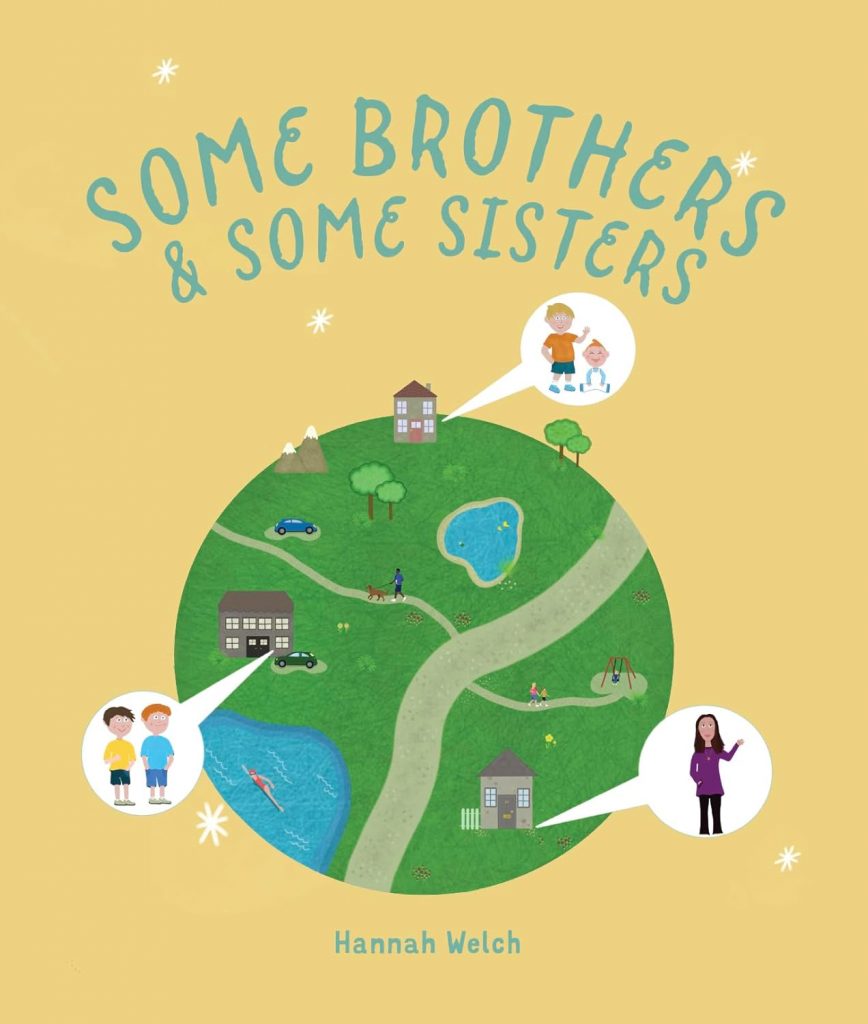
This is a celebratory and touching book about siblings in blended and separated families, including step-siblings, half-siblings and siblings living in different homes. It is a reminder that family can come in many forms, and that the bonds between brothers and sisters can remain strong, even across distance.
I particularly love that this book focuses on the sibling relationship itself. Books about family separation often centre on parents, step-parents or new family structures, but this one gives space to the brothers and sisters navigating those changes too.
It can be a lovely way to begin conversations about family, change, belonging and the different ways children experience home.
2. About Hedgehog
By Dani Seatter (Author) and Anna Stead (Illustrator)
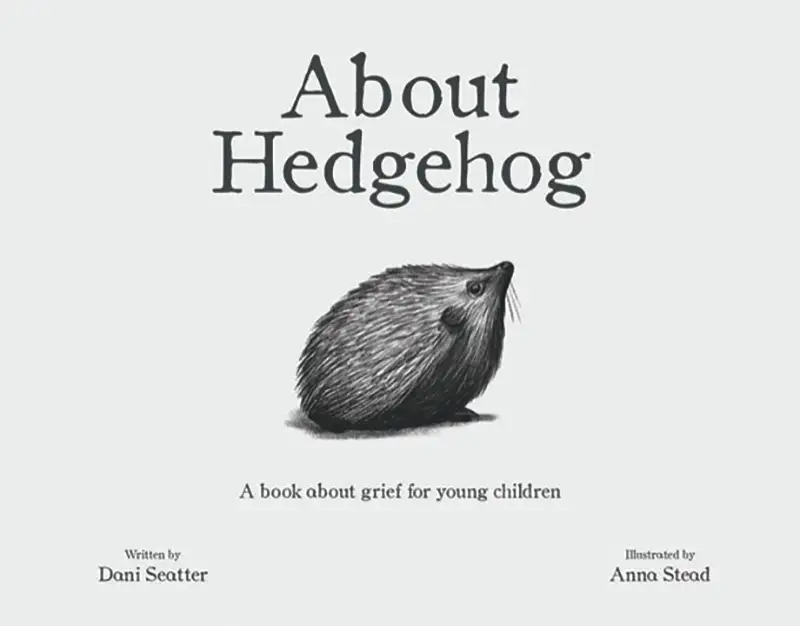
About Hedgehog is a calm, sensitive and thoughtful book for helping young children explore death and bereavement. Whether a child has experienced the death of a beloved pet, a family member, or a significant bereavement involving a parent or sibling, this book offers a safe way into the conversation.
One of its strengths is that it uses clear, real words rather than euphemisms. That matters because young children can find phrases like “gone to sleep” or “passed away” confusing. Direct language, handled with warmth and care, can help children understand what has happened without adding unnecessary uncertainty.
The black and white illustrations give the book a peaceful and calm feeling, which makes the subject feel gentle without avoiding the truth.
3. The Wizard’s Assistant
By Mel Scott-Avis (Author-Ilustrator)
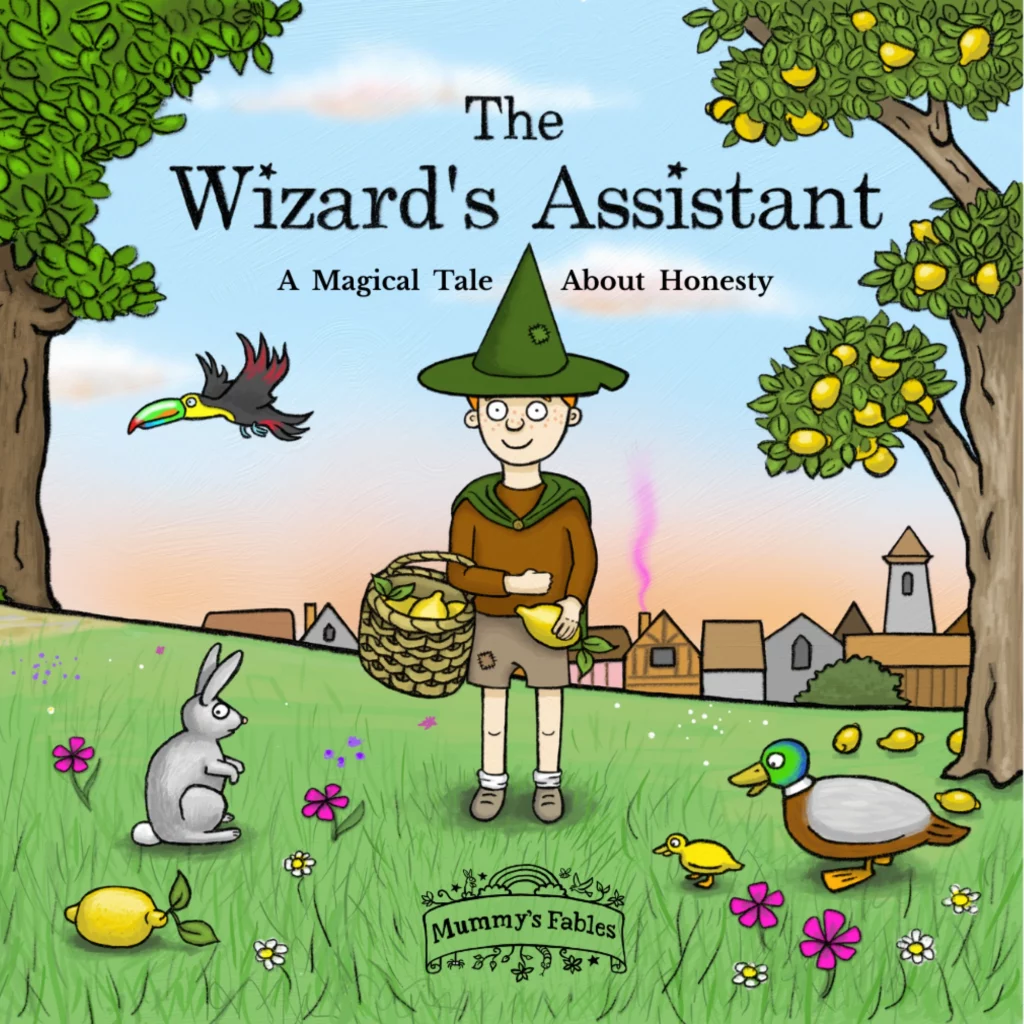
In The Wizard’s Assistant, children explore honesty through a colourful rhyming story about choices, consequences and doing the right thing.
The story gives children a character, a clear problem and a safe way to talk about what happens when someone is not truthful. Rather than simply telling children to “be honest”, it lets them see how dishonesty affects others, how trust can be damaged, and how we can all find the courage to make things right.
It is especially useful for conversations around honesty, kindness, forgiveness, consequences and the courage it can take to do the right thing.
4. A New School for Charlie
By Courtney Dicmas (Author-Illustrator)
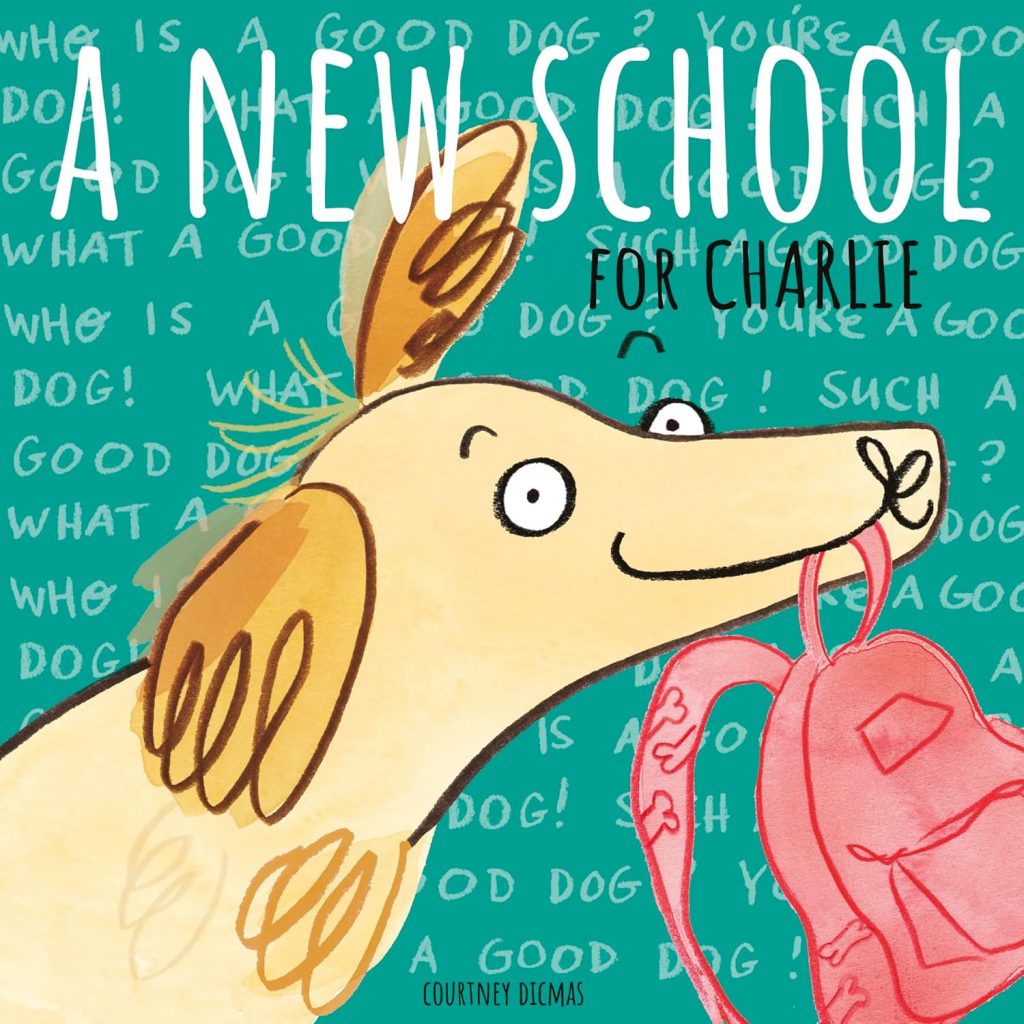
A New School for Charlie is a bright and accessible book about starting a new school, feeling different and finding a way to connect.
The story follows Charlie as he navigates a new environment and eventually finds friendship through a shared language and a new way of playing. Its bold, bright illustrations and simple text make it easy for young children to follow, while still giving space for meaningful discussion.
It can help children talk about starting somewhere new, feeling unsure, making friends, communicating in different ways and discovering that school can become fun once they find their place.
5. Julian Is a Mermaid
By Jessica Love (Author-Illustrator)
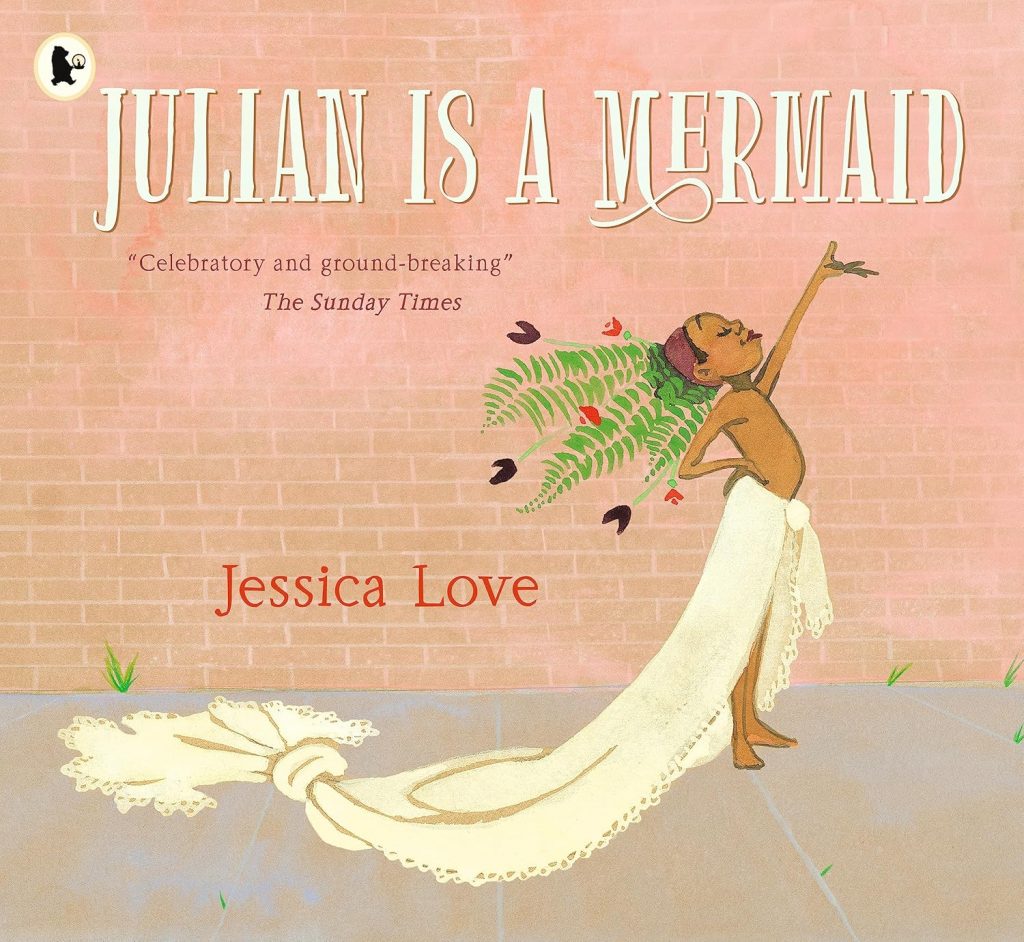
Julian Is a Mermaid is a beautiful, subtle book that can open up conversations around identity, self-expression, acceptance and LGBTQIA+ inclusion in an accessible way.
The story does not need to explain everything directly. That is part of its power. It gives children space to notice, respond and ask questions in their own way. For younger children especially, it can be a gentle starting point for talking about being yourself, accepting others and celebrating difference.
6. Basil Dreams Big
By Lu Fraser (Author-Illustrator)
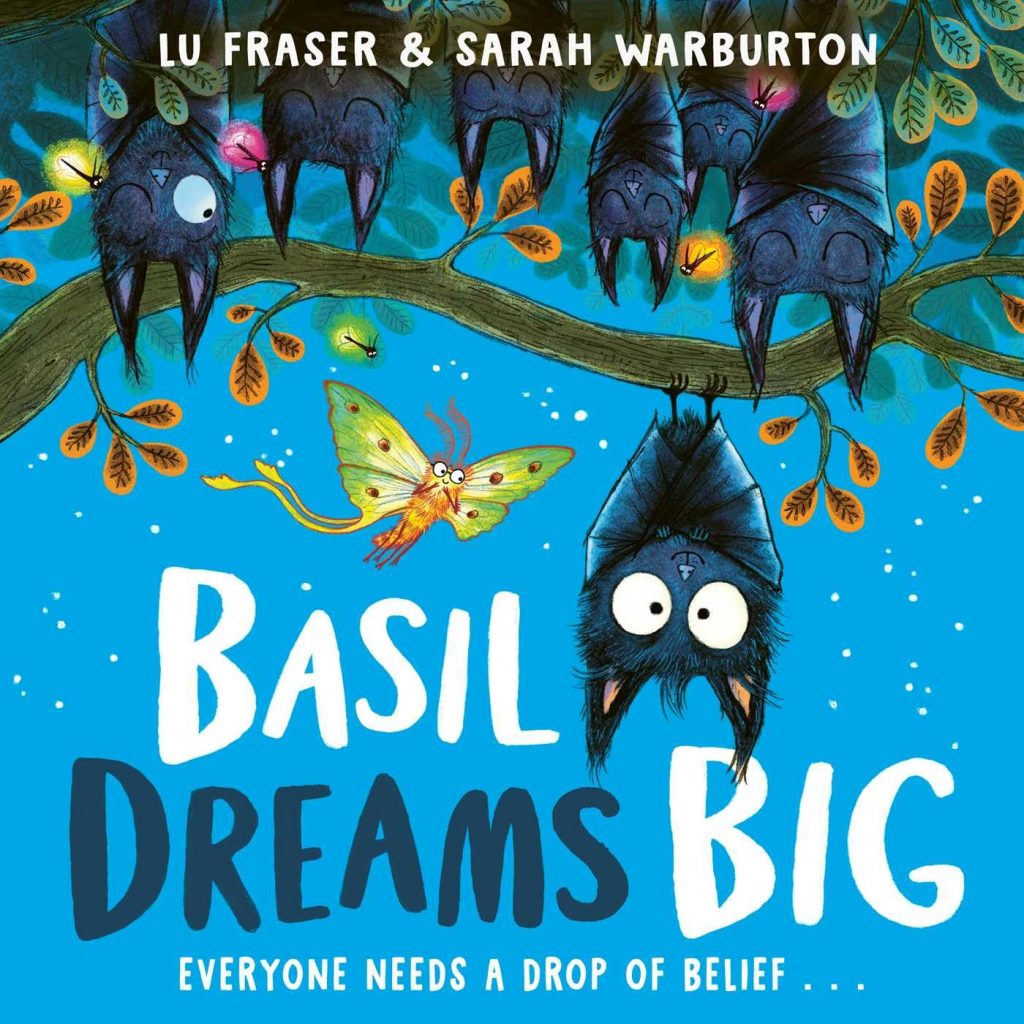
Basil Dreams Big is a wonderful book for exploring courage, fear and self-belief.
The rhyming verse gives the story warmth and momentum, while the relationship between Basil and Moth helps children invest emotionally in what happens. It is a lovely example of how a story can help children think about what it means to feel frightened, to dream of something bigger and to find the courage to try.
It can be especially useful for conversations about overcoming fears, believing in yourself, friendship, encouragement and taking small brave steps.
Why these stories matter
The most meaningful conversations often come from simple questions. What happened? How did they feel? What could they do next? Have you ever felt like that? Was that a kind choice? How might they make things right?
You do not need to turn every story into a lesson. Often, the best book talk happens naturally, when children notice something in the pictures, laugh at a character, predict what might happen next or recognise a feeling they have had before.
For teachers and early years practitioners, picture books are especially useful because they create a shared starting point. Every child can look at the same page, hear the same story and join the same conversation, even if they are at different stages of reading, language or confidence.
For parents and carers, they can make tricky moments easier to talk about. A story about honesty, grief, starting school, blended families, identity or courage can give a child the words they need later, when something similar happens in real life.
At Mummy’s Fables, this is one of the reasons I love stories with clear, child-friendly messages. Children do not need to be lectured to understand important ideas. They need characters, choices, consequences and a safe space to talk.
Because when a picture book sparks a meaningful conversation, the story does not end on the final page. It stays with the child, ready to be remembered the next time they face a tricky feeling, a difficult choice or a moment where they are still learning what to do.
References
Children’s books mentioned
Welch, H. (2025) Some Brothers & Some Sisters. Bridgnorth: Little Steps Publishing.
Seatter, D. (2024) About Hedgehog. Illustrated by A. Stead. Eco-Able.
Scott-Avis, M. (2025) The Wizard’s Assistant: A Magical Tale About Honesty. Mummy’s Fables.
Dicmas, C. (2019) A New School for Charlie. Swindon: Child’s Play.
Love, J. (2018) Julián Is a Mermaid. London: Walker Books.
Fraser, L. (2025) Basil Dreams Big. Illustrated by S. Warburton. London: Simon & Schuster Children’s UK.