October, 2025
Why Children Love Rhyming Books, and Why They’re So Important for Learning
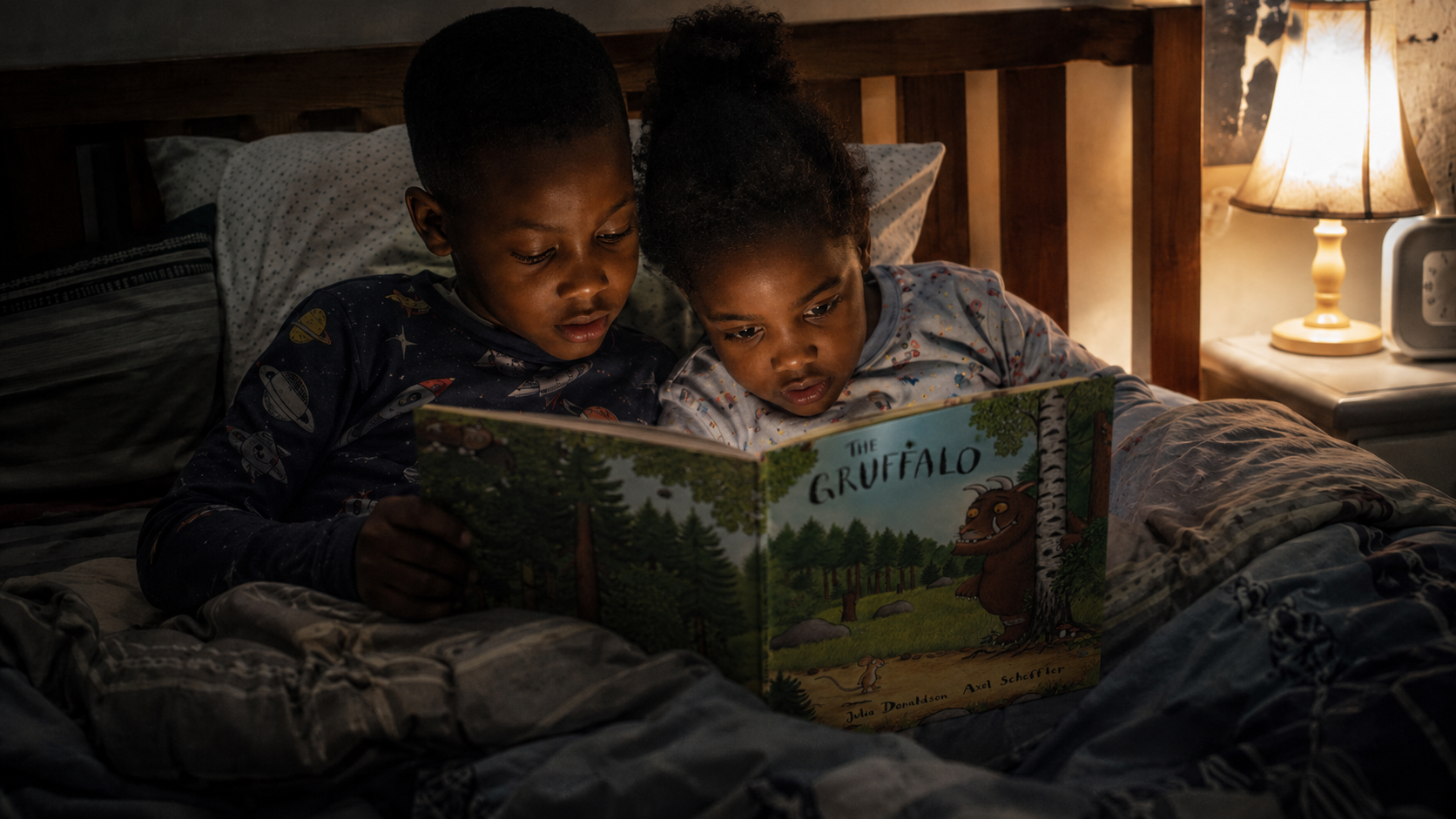
There is a reason so many children’s books rhyme.
From nursery rhymes and playground chants to picture books and bedtime stories, rhyme has a way of catching children’s attention almost instantly. Young children hear the pattern, feel the rhythm and often begin to join in before they fully understand every word.
But rhyming books are not just fun to read aloud. They also play an important role in children’s early language, literacy and confidence. As schools, nurseries and families get ready to take part in the National Year of Reading 2026 that starts in the new year, it feels like the perfect moment to celebrate the kind of books that make children want to listen, repeat, predict, laugh and join in.
The National Year of Reading, led by the Department for Education and the National Literacy Trust, is designed to help more people rediscover reading for pleasure and make it part of everyday life. Rhyming books have a special place in that mission because, for many young children, rhyme is one of the first ways reading feels joyful.
Rhyme helps children hear the sounds inside words
Before children can read independently, they need to become aware that spoken words are made up of sounds. This is called phonological awareness. It includes noticing syllables, rhythm, rhyme, alliteration and, later, the individual sounds in words.
Rhyming books give children a playful way into this. When a child hears “cat”, “hat” and “mat”, they are not only enjoying a funny pattern, they’re beginning to hear that words can sound alike. They are tuning in to the shape and music of language.
This matters because phonological awareness is an important foundation for learning to read. The Education Endowment Foundation notes that singing songs and reciting nursery rhymes can support oral language development and phonological awareness by introducing children to rhythm, rhyme and the sound patterns of language.
The DfE’s Reading Framework also highlights the value of rhymes, poems and songs, noting that their predictability helps children memorise and reuse newly acquired words and phrases. It also explains that enjoying and reciting poems, songs and rhymes can help children build an emotional connection to language.
In other words, rhyme helps children listen closely. And listening closely is one of the earliest building blocks of literacy.
Rhyme supports memory and repetition
Children love repetition because it helps them feel secure. When they know what is coming next, they can anticipate it, join in and feel successful.
Rhyming books are particularly good at creating this feeling. The rhythm carries the child along – the rhyme gives them clues and the repeated sounds help the words stick.
That is why a child might ask for the same book again and again, or suddenly shout out the final word in a line before the adult gets there. They are not just “remembering the story”. They are practising language, prediction, sequencing and recall.
The EEF’s early years literacy guidance recommends a balanced approach to early reading that includes storytelling, letter and sound knowledge, and singing and rhyming activities to develop phonological awareness. This is helpful for teachers and practitioners because it places rhyme where it belongs: not as a decorative extra, but as part of the wider foundations of communication, language and early literacy.
Rhyme builds vocabulary in context
One of the lovely things about rhyming books is that they often introduce children to rich, unusual or expressive words in a way that still feels accessible.
A child might not use a word independently the first time they hear it. But if it appears in a funny, musical or memorable line, they are more likely to notice it, repeat it and eventually understand it.
The predictability of rhyme also gives children clues. If they know the line is building towards a rhyme, they begin to listen more actively. They may guess the missing word, or offer alternatives, or they may find it funny when the rhyme surprises them (Rhyme Crime by Jon Burgerman is especially good for this).
This kind of active listening matters. Vocabulary is not built by hearing words once in isolation. It grows through repeated, meaningful encounters. Rhyming books offer those encounters in a way that feels playful rather than forced.
Rhyme helps children join in
For EYFS and KS1 children, joining in is not a small thing. It is a powerful part of learning.
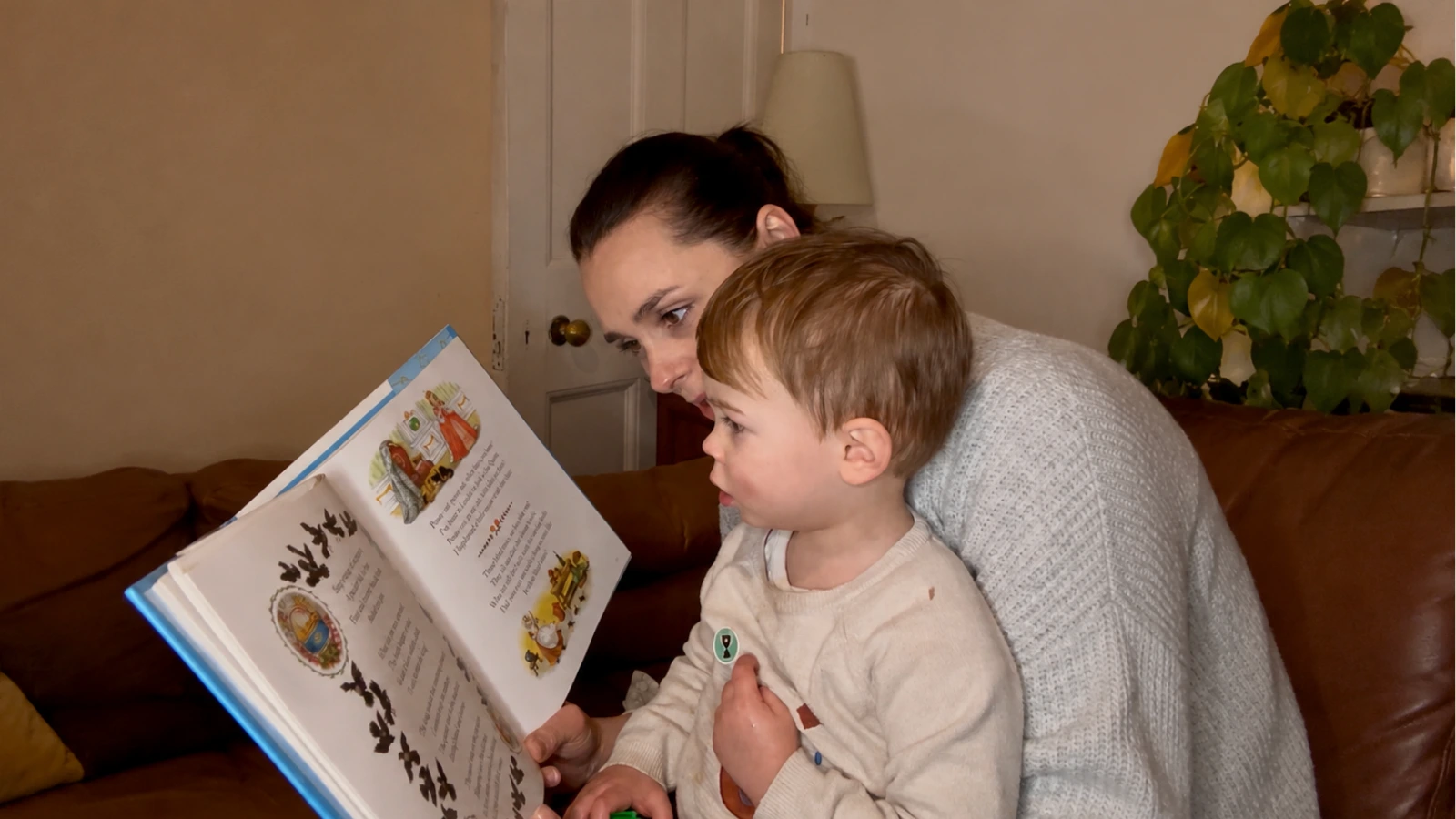
When children chant a repeated phrase, finish a rhyming couplet, clap along to a rhythm or copy the sound pattern of a line, they are taking part in the reading experience. They are not passive listeners – they are co-readers.
This is particularly valuable for children who may be a little reserved, less confident with language, learning English as an additional language, or not yet ready to read words on the page. A rhyming book gives them another way in. They can join through sound, rhythm, movement, memory and expression.
The DfE’s Reading Framework notes that call-and-response poetry and songs allow children to join in gradually. That gradual joining-in is one of the reasons rhyme works so well in early years and lower primary classrooms. It lowers the pressure and raises the participation.
Rhyme can make reading feel joyful
At a time when children’s reading enjoyment is a national concern, joy matters.
The National Literacy Trust reported that in 2025, only 32.7% of children and young people aged 8 to 18 said they enjoyed reading in their free time, the lowest level recorded in 20 years. That decline is one of the reasons the National Year of Reading 2026 is so important.
Of course, rhyming books alone cannot solve that problem. But they can help with something essential: making books feel pleasurable from the very beginning.
A good rhyming book is fun to hear. It invites funny voices. It creates anticipation. It gives children phrases they want to repeat. It can make a whole class laugh together. It can turn reading into a shared performance rather than a quiet task.
For young children, those early emotional associations matter. If books feel warm, funny, rhythmic and shared, children are more likely to see reading as something they want to return to.
Rhyme can support confidence
Rhyming books are often predictable, and predictability helps children feel capable.
When a child can guess the next word, chant a repeated phrase or “read” a familiar line from memory, they experience themselves as successful. That confidence can be especially powerful before children are fluent decoders.
This does not replace phonics or structured literacy teaching, but it does support it. Rhyme helps children enjoy the sound of language, notice patterns, hear similarities between words and build confidence with oral language. Those experiences sit alongside the formal skills children need as they learn to read and write.
For teachers and early years practitioners, this is the balance: rhyme is both joyful and useful. It belongs in story time, but it also belongs in a thoughtful literacy-rich environment.
When rhyme becomes really powerful
As with all picture books, the real value often lies in what happens around the reading.
A rhyming book becomes even more powerful when adults pause, repeat, ask questions and invite children to play with the words. “What else rhymes with hat?” “Can you hear the same sound?” “What word do you think is coming next?” “Shall we clap the beat?” “Can we say that line in a whisper? In a giant voice? In a wizard voice?”
These small interactions help children become more aware of language. They also make the reading experience social, lively and memorable.
Research on shared book reading more broadly shows that adult-child interaction around books can support children’s language development, particularly when reading involves talk, responsiveness and opportunities for children to participate.
Why I write in rhyme
At Mummy’s Fables, rhyme sits at the heart of my storytelling because it reflects how young children naturally engage with language: through sound, rhythm, repetition, humour and feeling.
In The Wizard’s Assistant, the rhyme helps carry children through the story while they explore ideas such as honesty, kindness, consequences, forgiveness and trust. It gives them a pattern to follow, words to remember and moments they can join in with.
For me, rhyme is not just about making a story sound nice. It is about making the story easier to understand, easier to remember and easier to talk about afterwards.
That is why rhyming books can be so valuable in homes, schools and early years settings. They help children hear language, enjoy language and feel part of language. And when children feel part of a story, they are far more likely to want another one.
References
Department for Education (2023) The Reading Framework: Teaching the Foundations of Literacy. London: Department for Education
Education Endowment Foundation (2018) Preparing for Literacy: Improving Communication, Language and Literacy in the Early Years. London: Education Endowment Foundation
Education Endowment Foundation (2025) Phonological Awareness. EEF Reading House
National Literacy Trust (2025) Children and young people’s reading in 2025. London: National Literacy Trust
Riordan, J., Reese, E., Rouse, S. and Schaughency, E. (2018) ‘Promoting code-focused talk: The rhyme and reason for why book style matters’, Early Childhood Research Quarterly, 45, pp. 243–254
Phillips, B. M., Clancy-Menchetti, J. and Lonigan, C. J. (2008) ‘Successful phonological awareness instruction with preschool children: Lessons from the classroom’, Topics in Early Childhood Special Education, 28(1), pp. 3–17
Goswami, U. and Bryant, P. (1990) Phonological Skills and Learning to Read. Hove: Psychology Press
Children’s books mentioned
Burgerman, J. (2017) Rhyme Crime. Oxford University Press.